A RESEARCH ARC, NOT A LIST OF MODELS
Reading biological sequences as structured evidence.
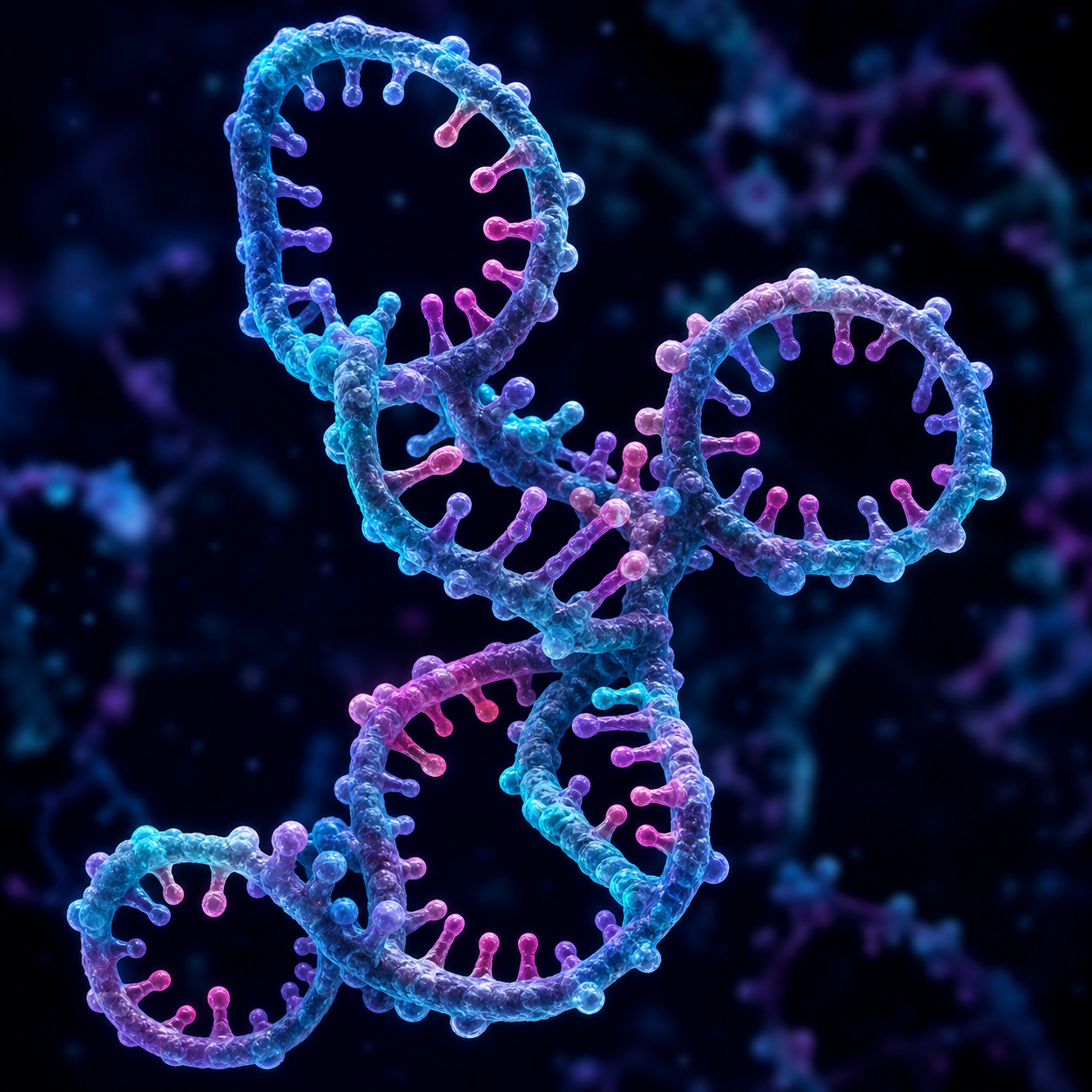
Supatcha Lertampaiporn’s research sits at the boundary between biology and computation. RNA, peptides and proteins may appear as strings of symbols, but their composition, ordering, structure and cellular context carry different kinds of biological evidence. Her work asks how those signals can be represented clearly enough for machine learning to distinguish meaningful candidates from convincing noise.
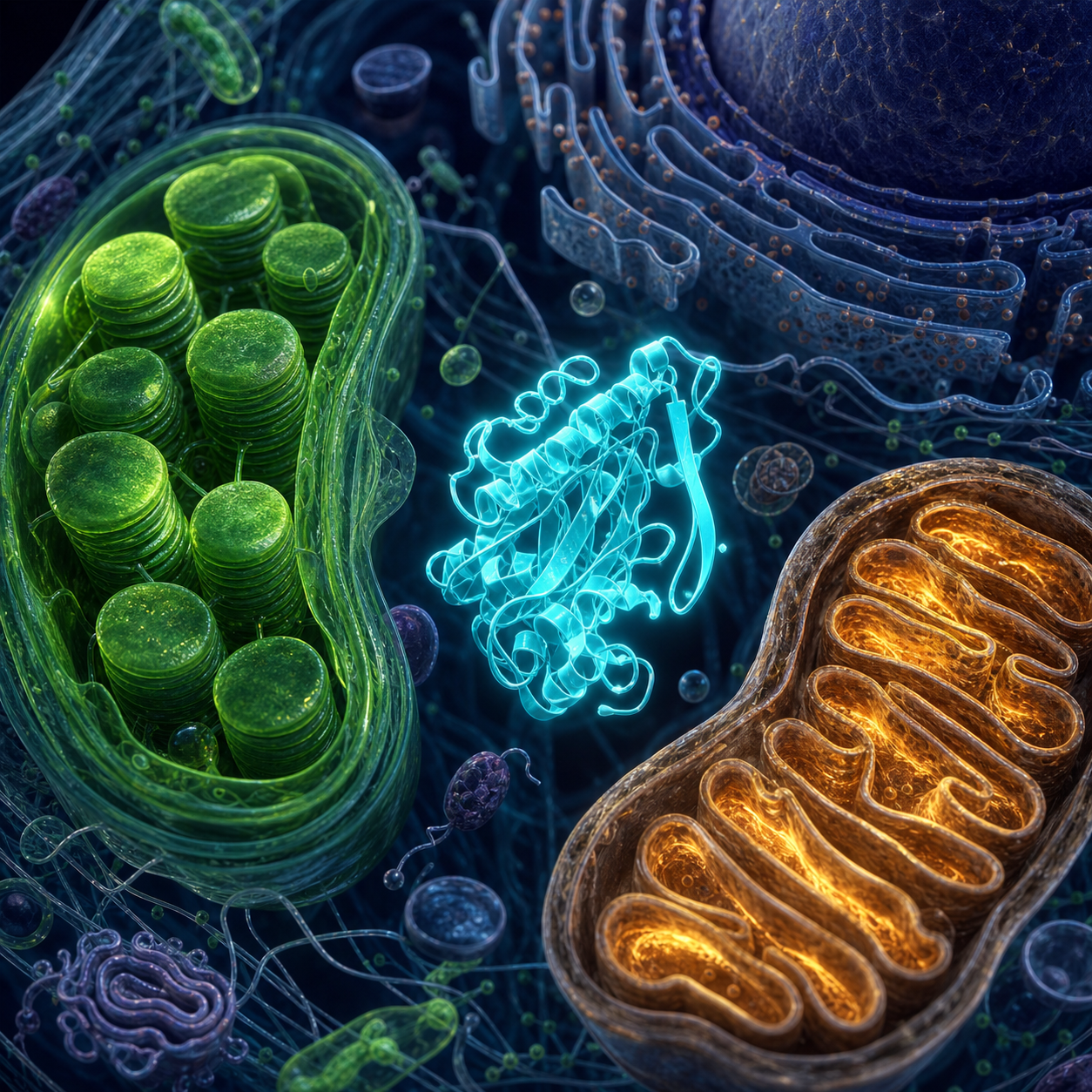
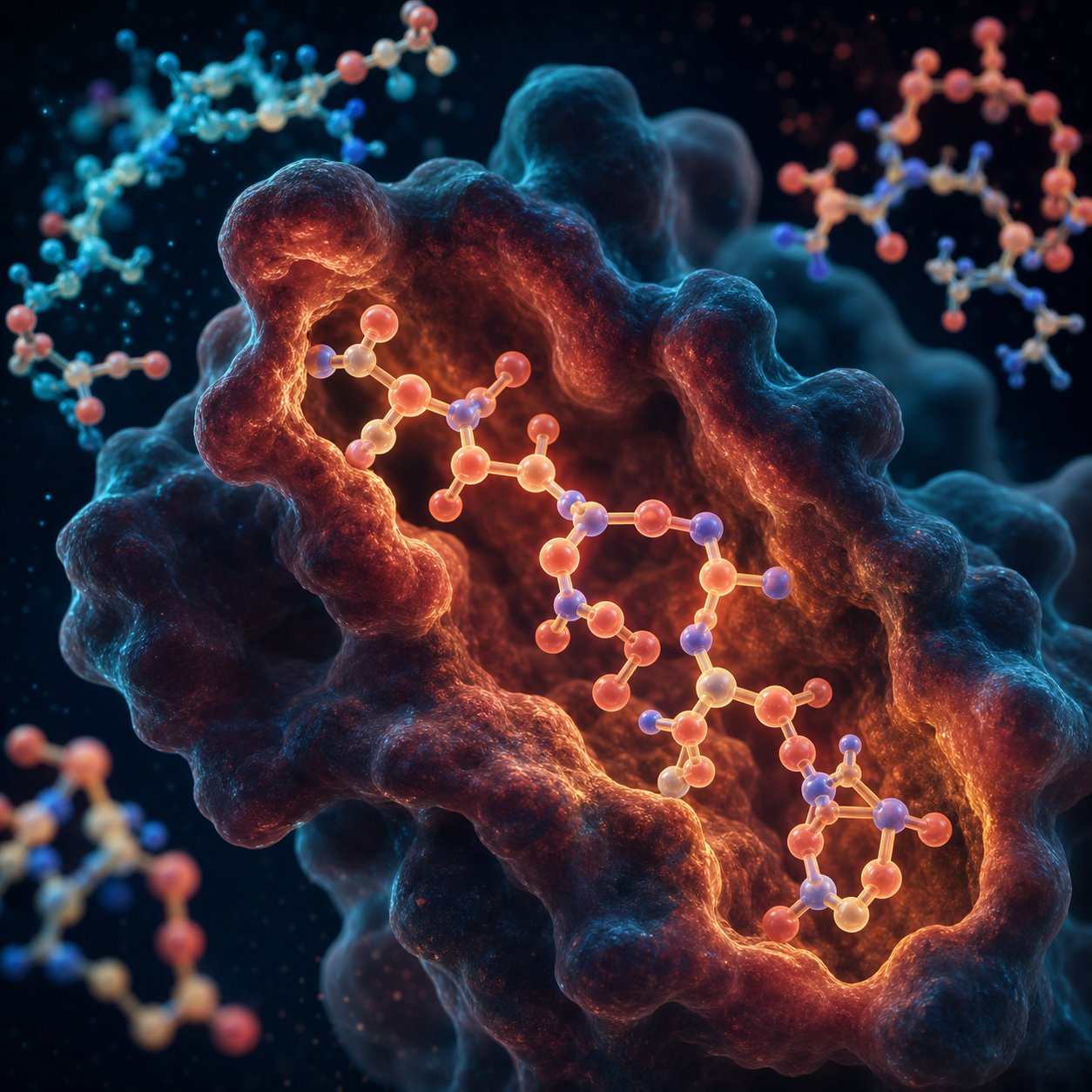
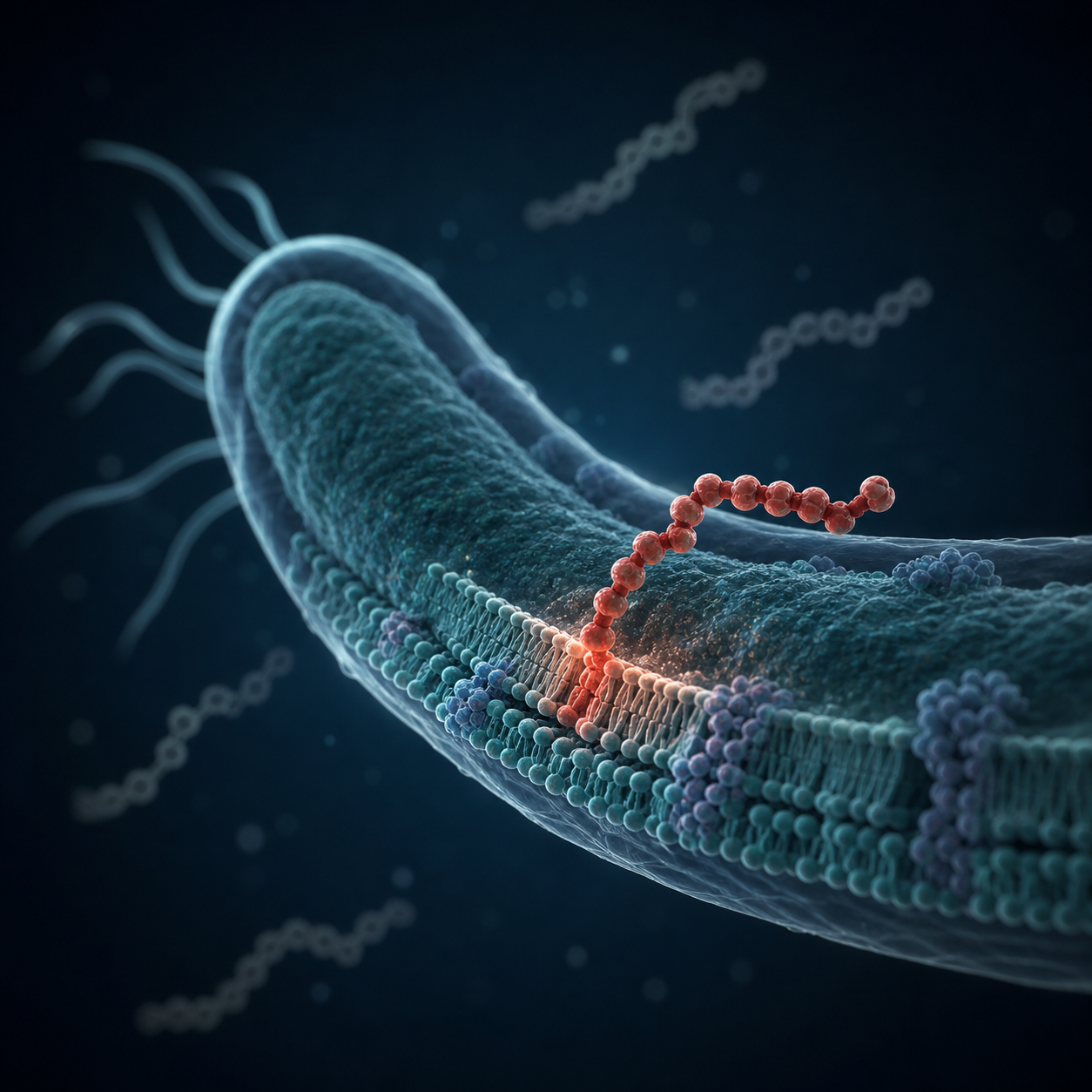
That question has remained consistent while the biological objects have expanded: from pre-miRNA and non-coding RNA, to bacterial and plant protein localization, antimicrobial and antihypertensive peptides, and neuropeptide recognition. The algorithms change because the questions change—not because novelty alone is the goal.
HOW THE WORK IS BUILT
Feature design, model diversity and evaluation belong in one argument.
Represent biology
Translate sequence composition, order and structural clues into features a model can inspect without erasing their biological interpretation.
Earn diversity
Combine learners that respond differently to imbalance, nonlinear interactions and local patterns; diversity must improve the decision, not merely increase the model count.
Test the claim
Use validation, independent evidence and error analysis to learn where a predictor is dependable—and where biology still refuses a simple boundary.
Return to experiments
Treat prediction as prioritization for inspection, synthesis, assay or annotation. A label is an intermediate result, not the scientific endpoint.
WHY THIS COLLABORATION MATTERS
Computation becomes more valuable when it can meet the laboratory.
Within a collaborative biosciences environment, computational prediction can narrow an enormous search space before experimental work begins. Laboratory evidence can then expose where a feature, dataset or assumption was too simple. This feedback loop is more valuable than treating software and experiments as separate worlds.