Define the object before the label
RNA, peptide and protein tasks require different evidence and different meanings of a negative example.
SUPATCHA RESEARCH · COMPUTATIONAL BIOLOGY · 2013–2026
From RNA structure to protein destinations and experimentally actionable peptides, this collection follows one research discipline: represent the biological question carefully, test the model honestly, and keep the next experiment visible.
จากโครงสร้าง RNA ไปจนถึงตำแหน่งโปรตีนและ peptide ที่พร้อมให้ห้องทดลองพิจารณา งานชุดนี้ยึดวินัยเดียวกัน คือแทนคำถามทางชีววิทยาให้รอบคอบ ทดสอบโมเดลอย่างซื่อตรง และไม่ลืมว่าคำตอบถัดไปอยู่ในการทดลอง
RNA, peptide and protein tasks require different evidence and different meanings of a negative example.
Features and learners are combined because they see complementary signals, not because more models automatically mean better science.
Independent tests, family-aware splits, hard negatives and error analysis define how far a result can travel.
PEER-REVIEWED JOURNAL ARTICLES
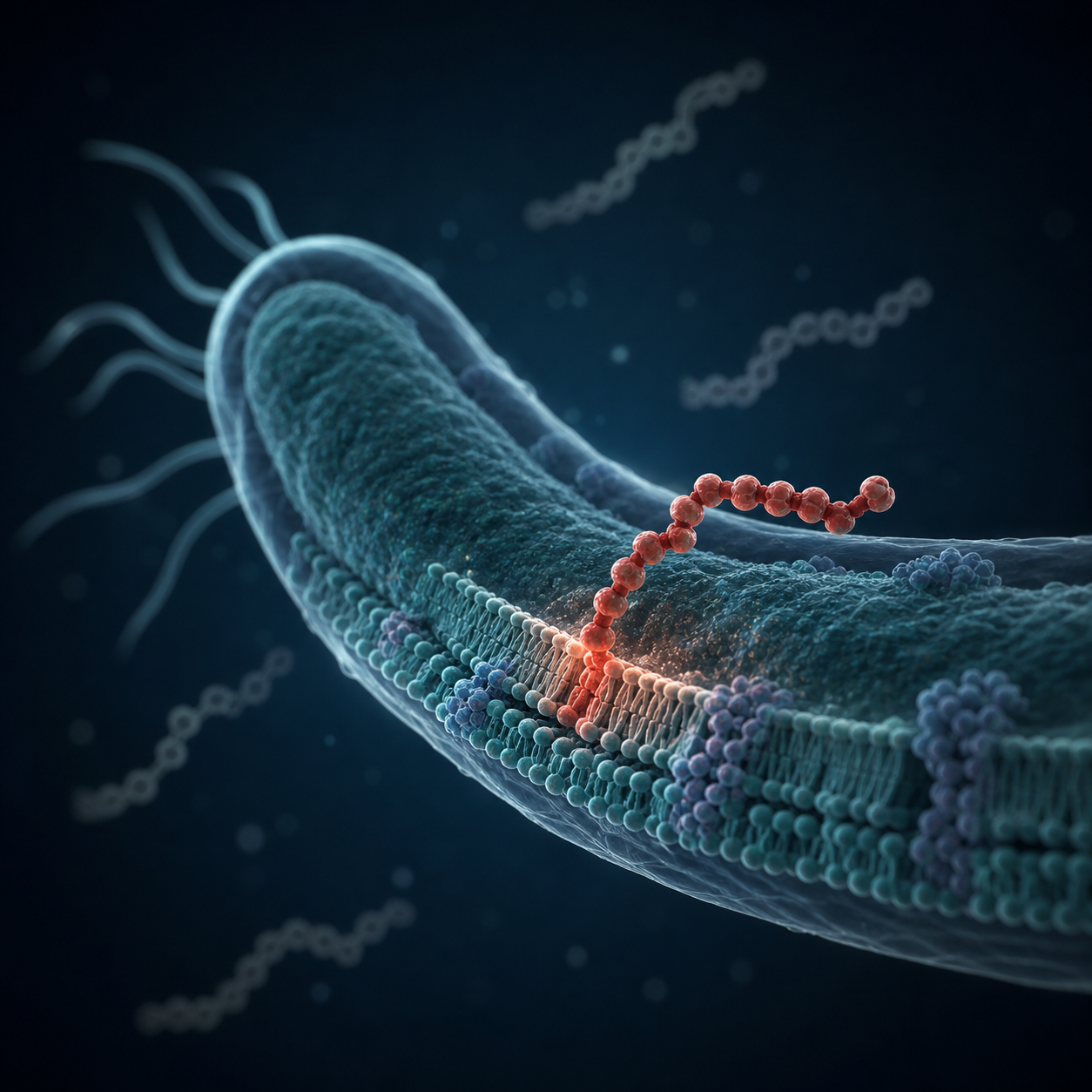
This work closes the loop from sequence prediction toward experimentally actionable prioritization without hiding the mechanism behind a single opaque score.
Open research dossier / เปิดแฟ้มงานวิจัย →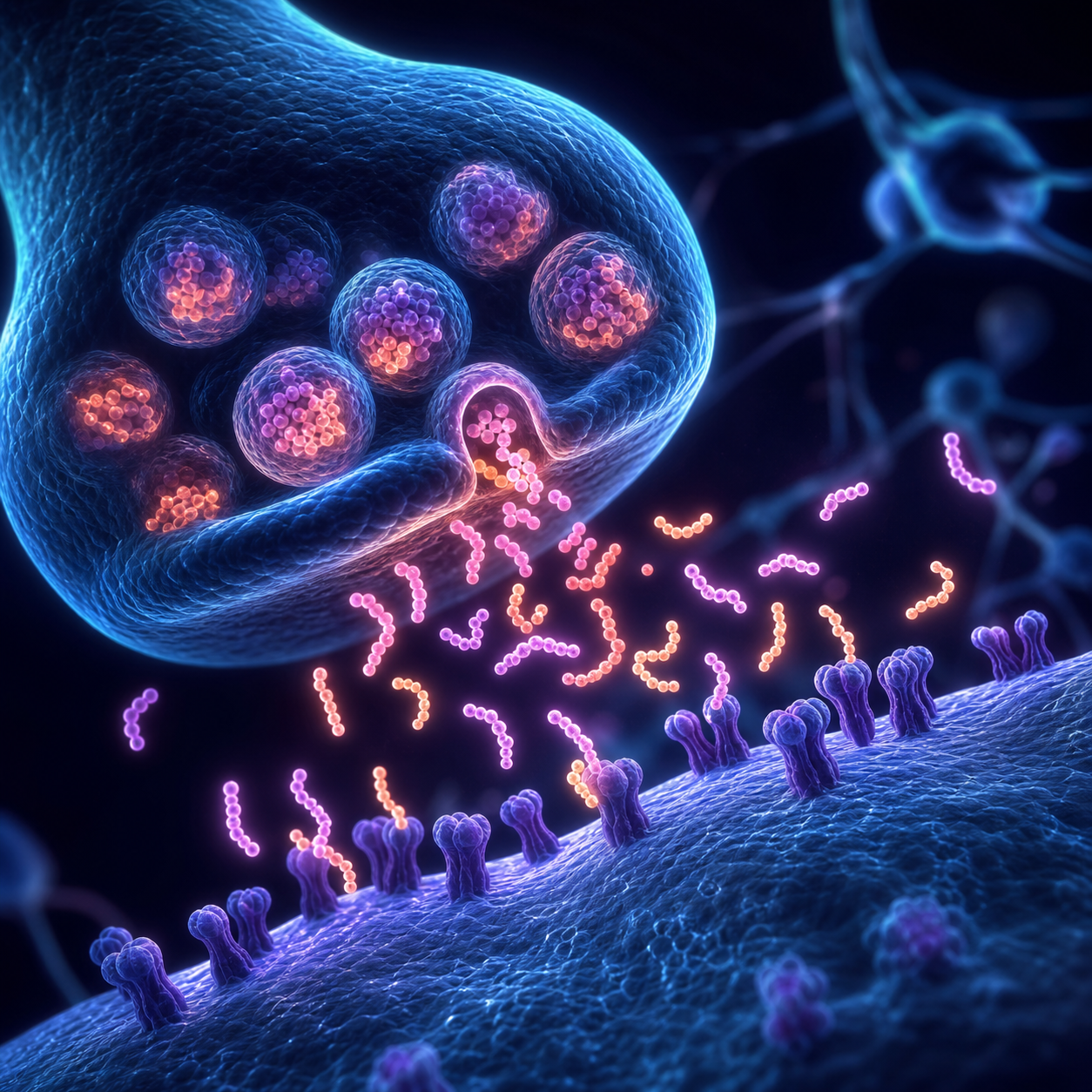
Multiple feature views and model families are integrated for robust neuropeptide recognition.
Open research dossier / เปิดแฟ้มงานวิจัย →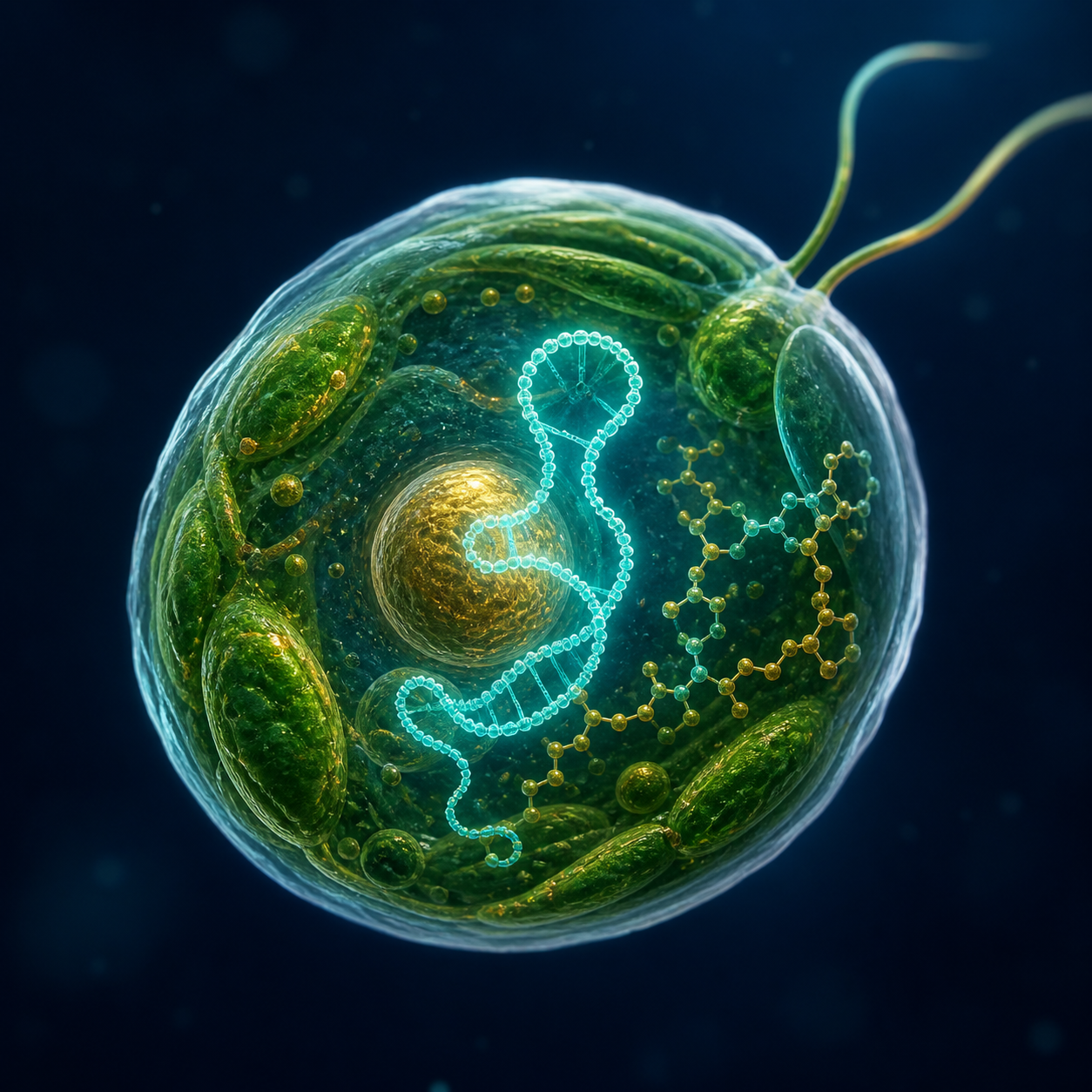
The study moves from generic prediction toward lineage-aware bioinformatics and shows how feature importance can produce a biological hypothesis, not only a score.
Open research dossier / เปิดแฟ้มงานวิจัย →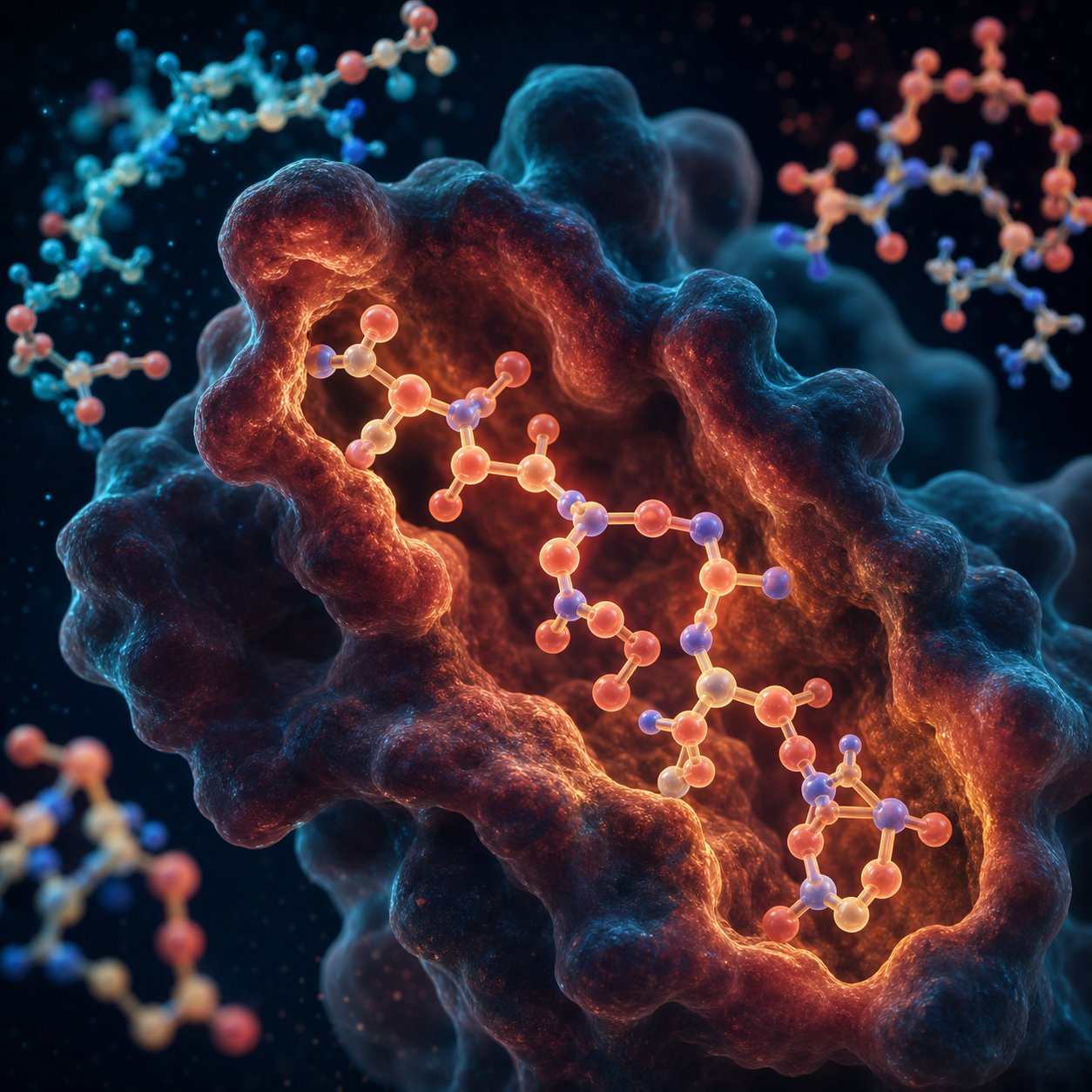
Composite physicochemical evidence helps identify food-derived peptides that deserve antihypertensive testing.
Open research dossier / เปิดแฟ้มงานวิจัย →
A multilabel ensemble respects the possibility that one plant protein can occupy more than one cellular address.
Open research dossier / เปิดแฟ้มงานวิจัย →
Hybrid biological features and ensemble learning prioritize antimicrobial-peptide candidates while controlling false positives.
Open research dossier / เปิดแฟ้มงานวิจัย →
Particle swarm optimization learns how strongly multiple bacterial localization predictors should be trusted.
Open research dossier / เปิดแฟ้มงานวิจัย →
A composite SCORE links structure, sequence, modularity, robustness and coding potential across diverse ncRNAs.
Open research dossier / เปิดแฟ้มงานวิจัย →
Structural robustness, class imbalance and heterogeneous learners meet in a cross-species pre-miRNA detector.
Open research dossier / เปิดแฟ้มงานวิจัย →CONFERENCE PROCEEDINGS
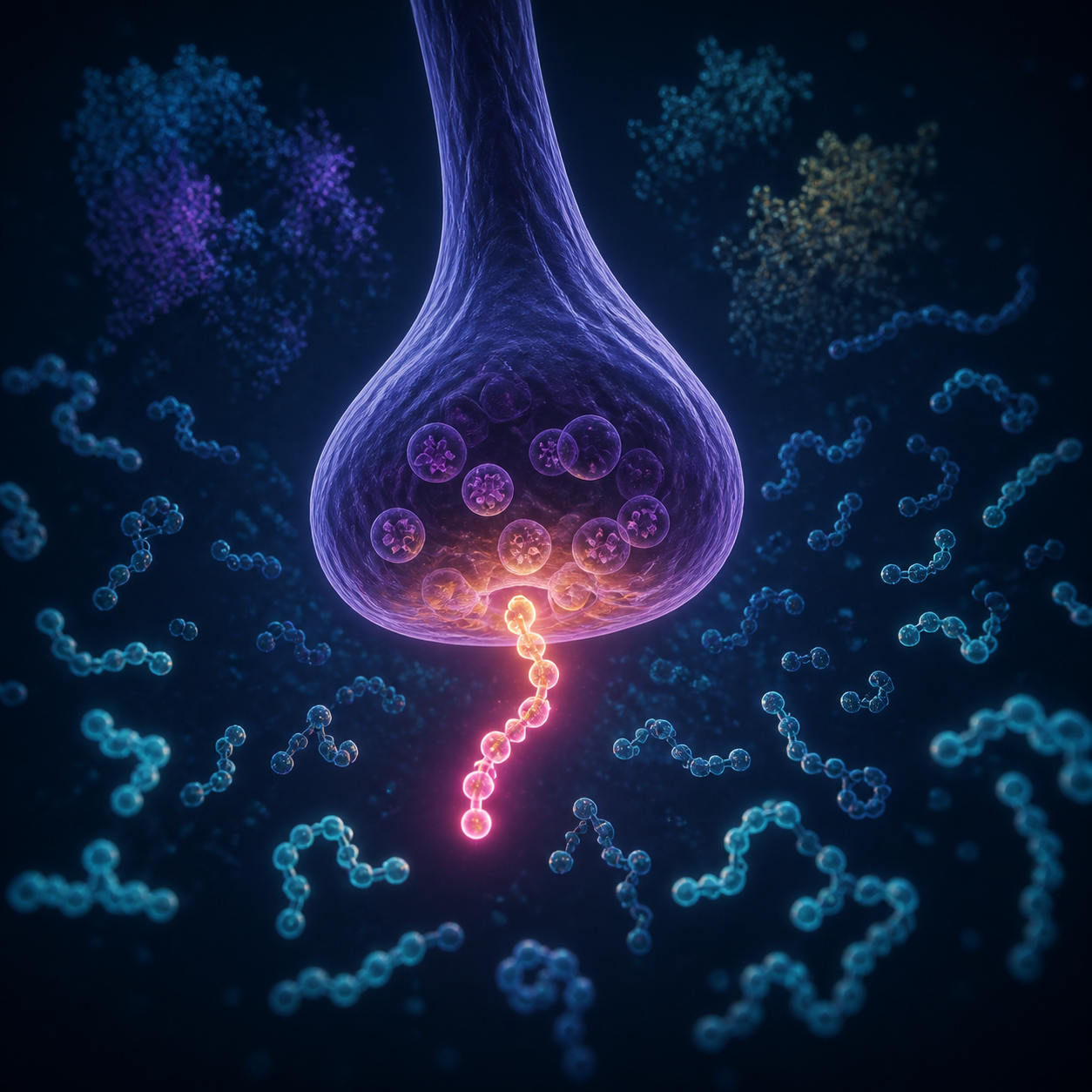
The contribution is protocol discipline: family-clean evaluation, realistic negatives, transparent baselines and metrics suited to downstream triage.
Open research dossier / เปิดแฟ้มงานวิจัย →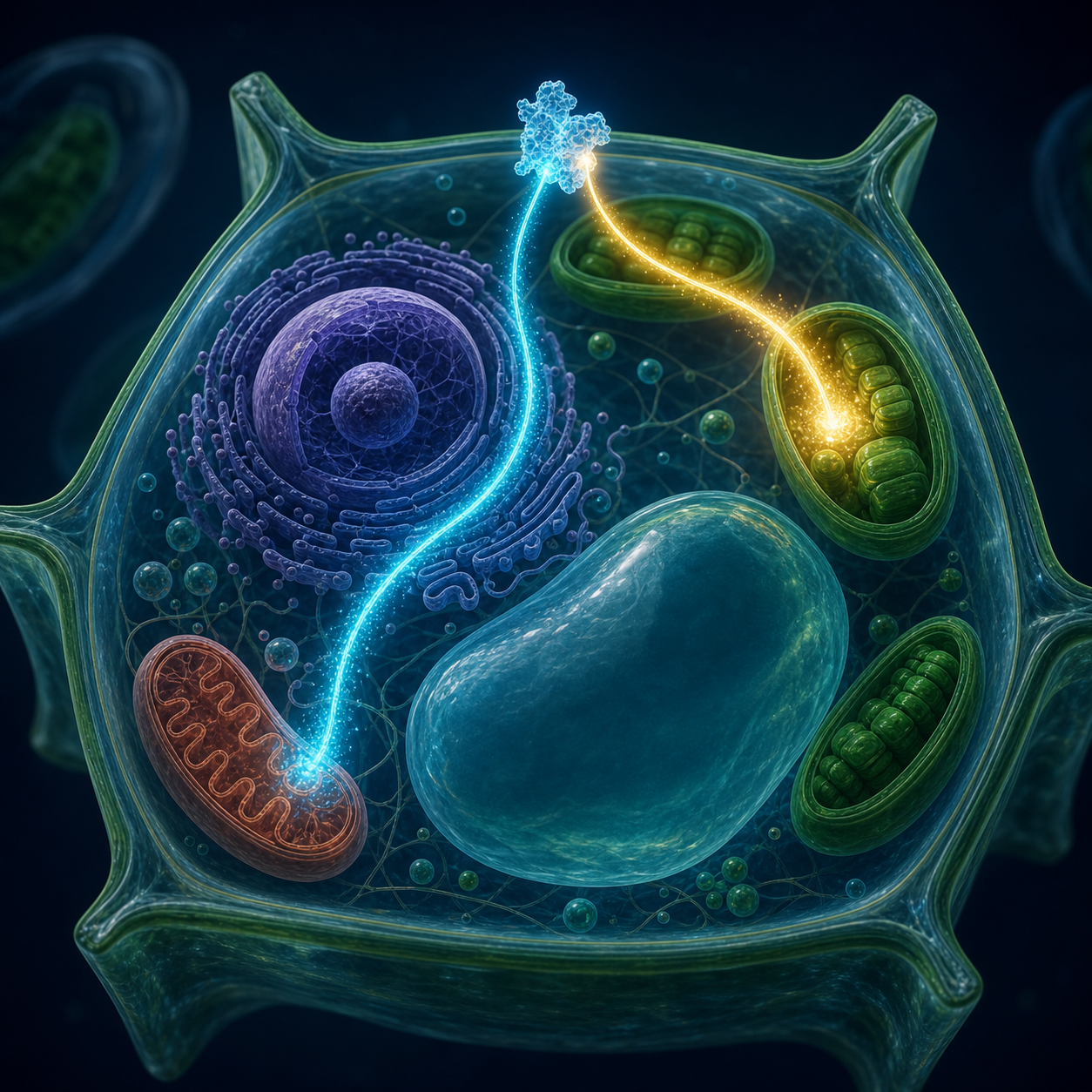
The paper connects ensemble methodology with deployable workflow design and treats multilabel evidence as information rather than inconvenience.
Open research dossier / เปิดแฟ้มงานวิจัย →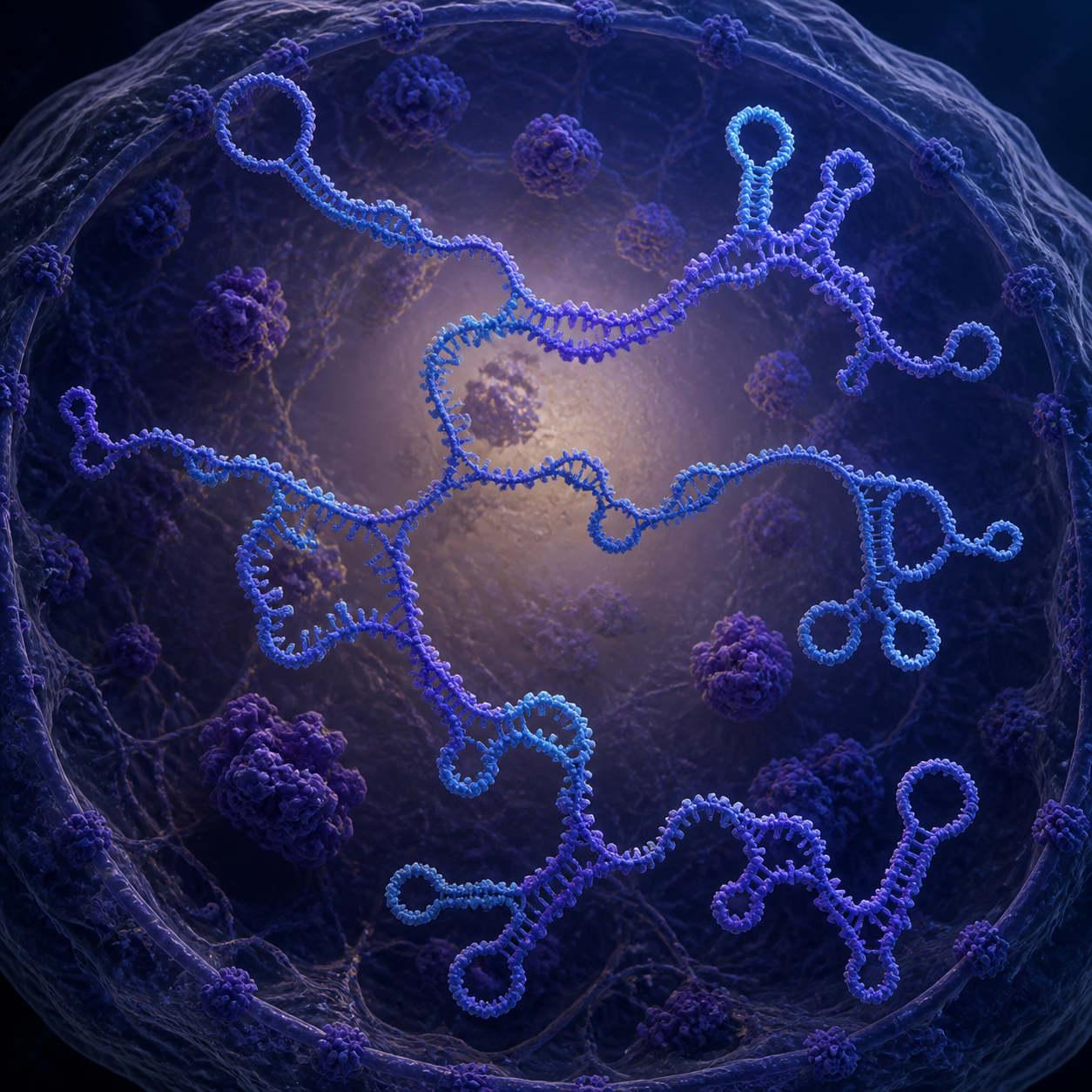
The study demonstrates scope discipline: a smaller, biologically coherent question can be more useful than an over-broad classifier trained on limited evidence.
Open research dossier / เปิดแฟ้มงานวิจัย →
The paper turns RNA folding stability into a measurable feature and shows students how a biological mechanism can guide feature engineering.
Open research dossier / เปิดแฟ้มงานวิจัย →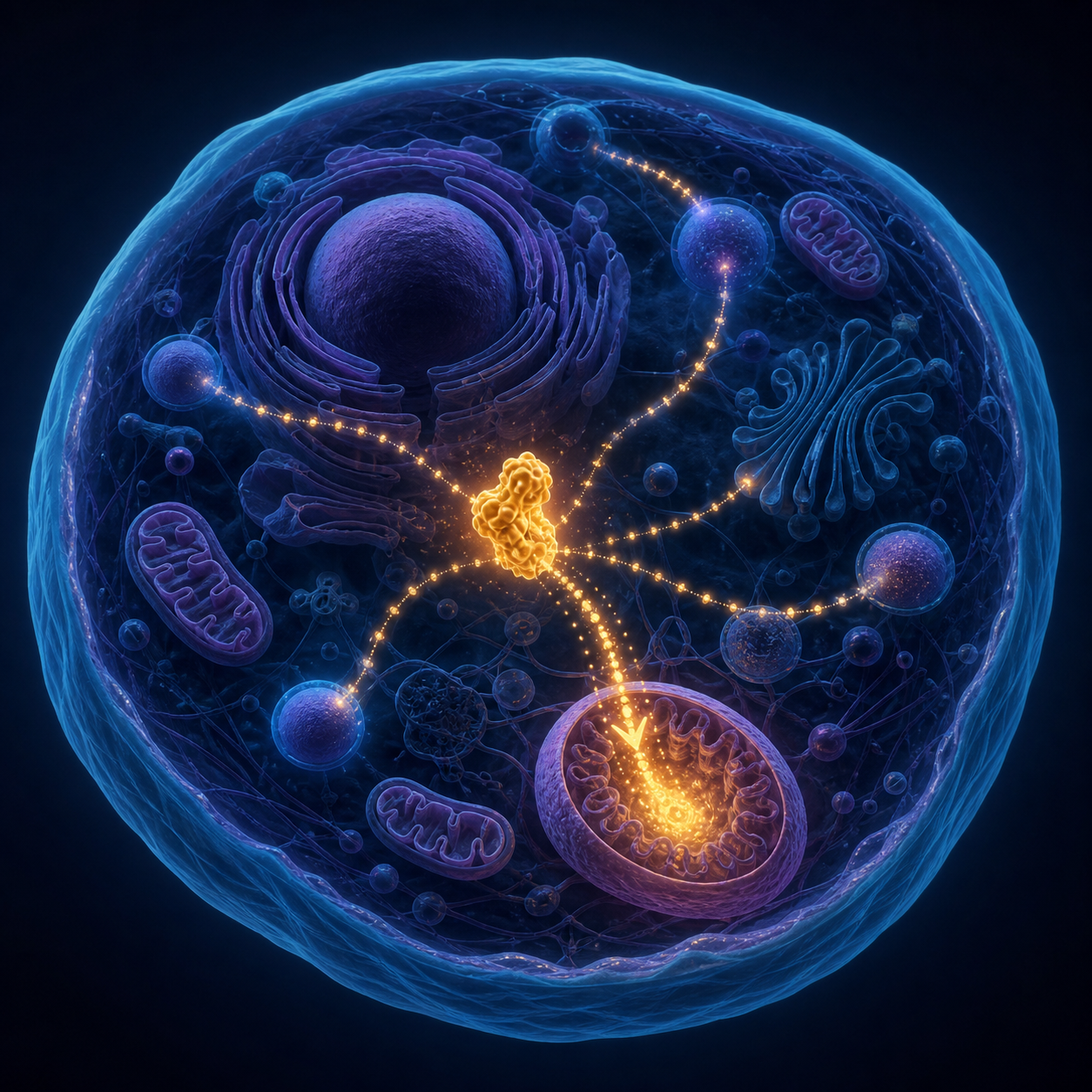
This work establishes the consensus-learning line that later develops into bacterial and multilabel plant localization research.
Open research dossier / เปิดแฟ้มงานวิจัย →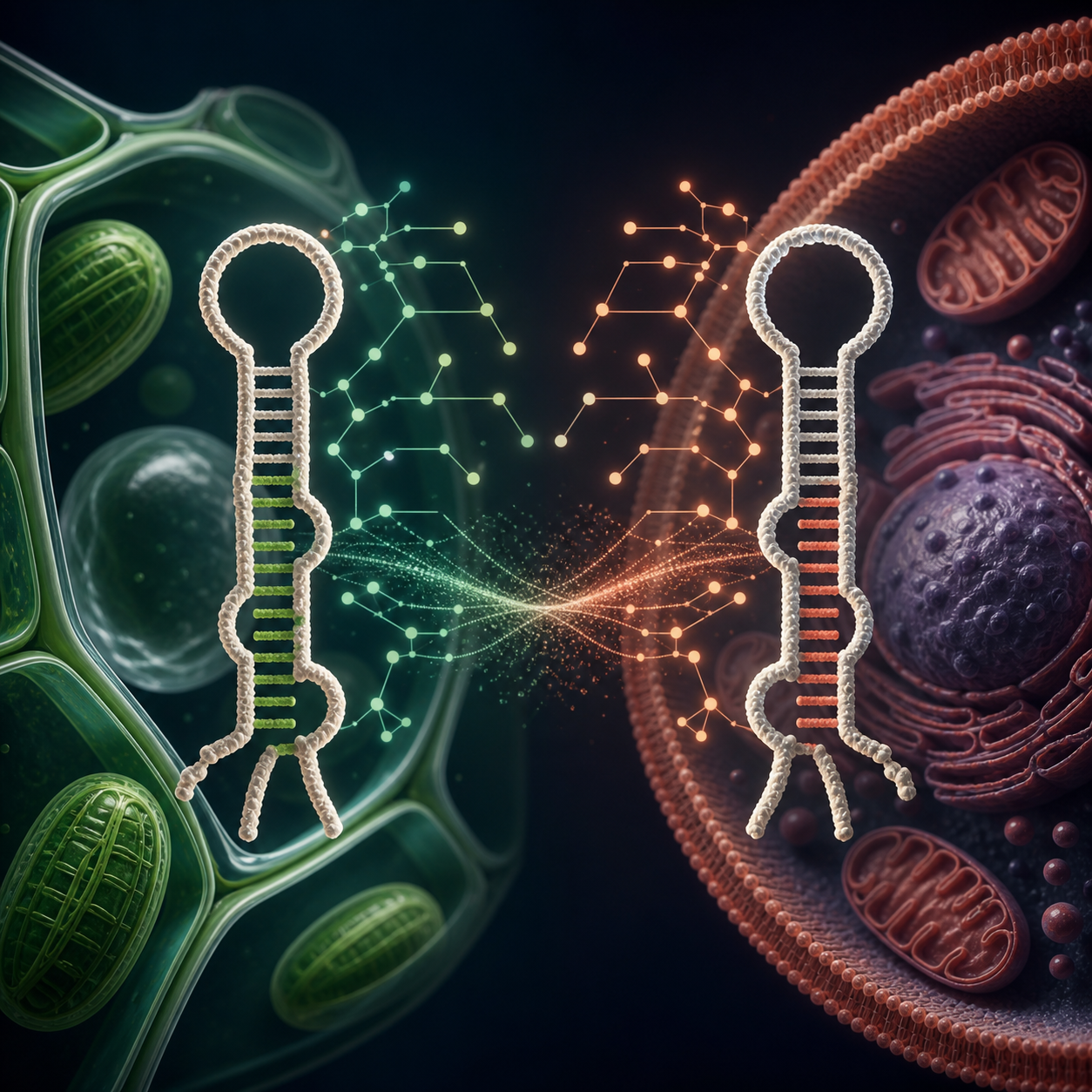
This paper is a compact lesson in asking a comparative biological question rather than treating every pre-miRNA as one homogeneous class.
Open research dossier / เปิดแฟ้มงานวิจัย →
The study is an early example of using perturbation-sensitive structural evidence when alignment-based signals become unreliable.
Open research dossier / เปิดแฟ้มงานวิจัย →