Not always seven
Historical South Asian texts describe different numbers, names and arrangements of chakras. The familiar rainbow-like seven-point sequence is a modern synthesis, not a universal ancient standard.
YOGA TRADITIONS · SYMBOLIC BODY MAP · REFLECTION
Explore the seven-chakra model as a historical and contemplative map used in selected yoga and Tantra traditions—not as anatomical organs or a medical diagnosis.
INTERACTIVE SYMBOLIC MAP
READ WITH CONTEXT
Historical South Asian texts describe different numbers, names and arrangements of chakras. The familiar rainbow-like seven-point sequence is a modern synthesis, not a universal ancient standard.
A point can act as a focus for breath, posture, imagery or journaling. Feeling discomfort, anxiety or illness should not be reduced to a “blocked chakra”; appropriate health care still matters.
The exercise does not require seeing colors, sensing energy or producing a special state. Notice what is present, remain comfortable, and stop if breath or posture causes distress.
A FIVE-MINUTE SEQUENCE
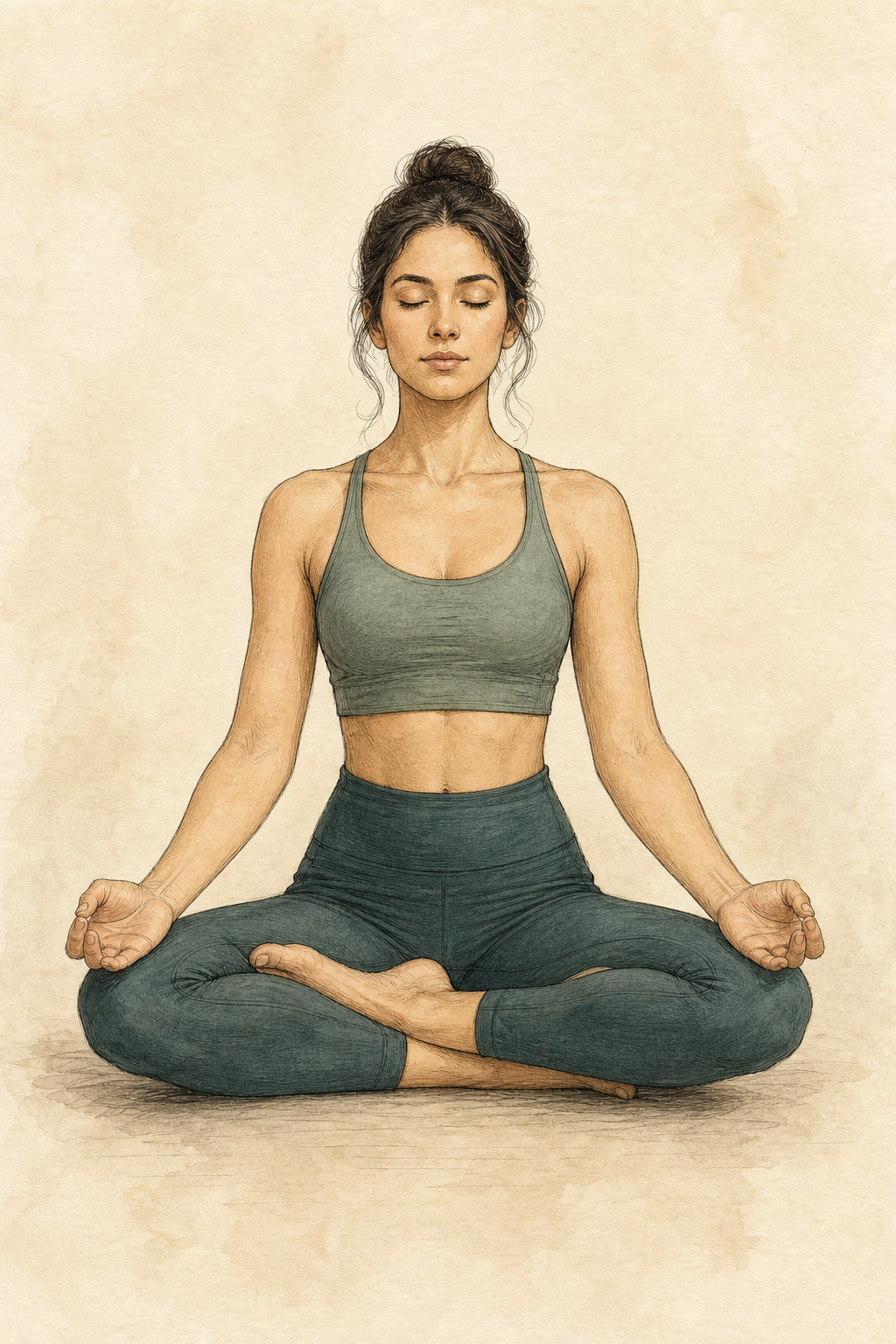
Sit in a comfortable position—cross-legged is optional. Move attention upward slowly, spending one or two breaths at each point. The objective is observation, not performance.